RESOURCES

For Daisy: Before Anyone Else

Certified Peer Educator Training

SafeBAE's Certified Peer Educator Training empowers young people to lead conversations about consent, healthy relationships, and their lived experiences by equipping them with the knowledge, confidence, and leadership skills to drive prevention efforts in their own schools and communities. Whether you're a student ready to make change or an educator looking to bring youth-led programming into your school, this training is a powerful way to shift school culture from the inside out.

What is the Peer Educator Certification?

SafeBAE's Certified Peer Educator Training is a free, self-paced training designed for high school students who want to lead sexual violence prevention in their schools and communities. Trauma-informed and accessible from anywhere, the program equips students to educate peers, challenge harmful norms, and build safer school environments.

The certification includes 16 interactive online modules, plus one-on-one support from SafeBAE's team. Upon completion, students receive an official certification, along with access to ongoing leadership, organizing, and advocacy opportunities.

Peer educators become trusted voices in their schools — facilitating classroom discussions, leading school clubs, organizing events, running social media campaigns, and modeling what consent culture looks like in practice. This training creates a clear pathway for young people to drive cultural change.
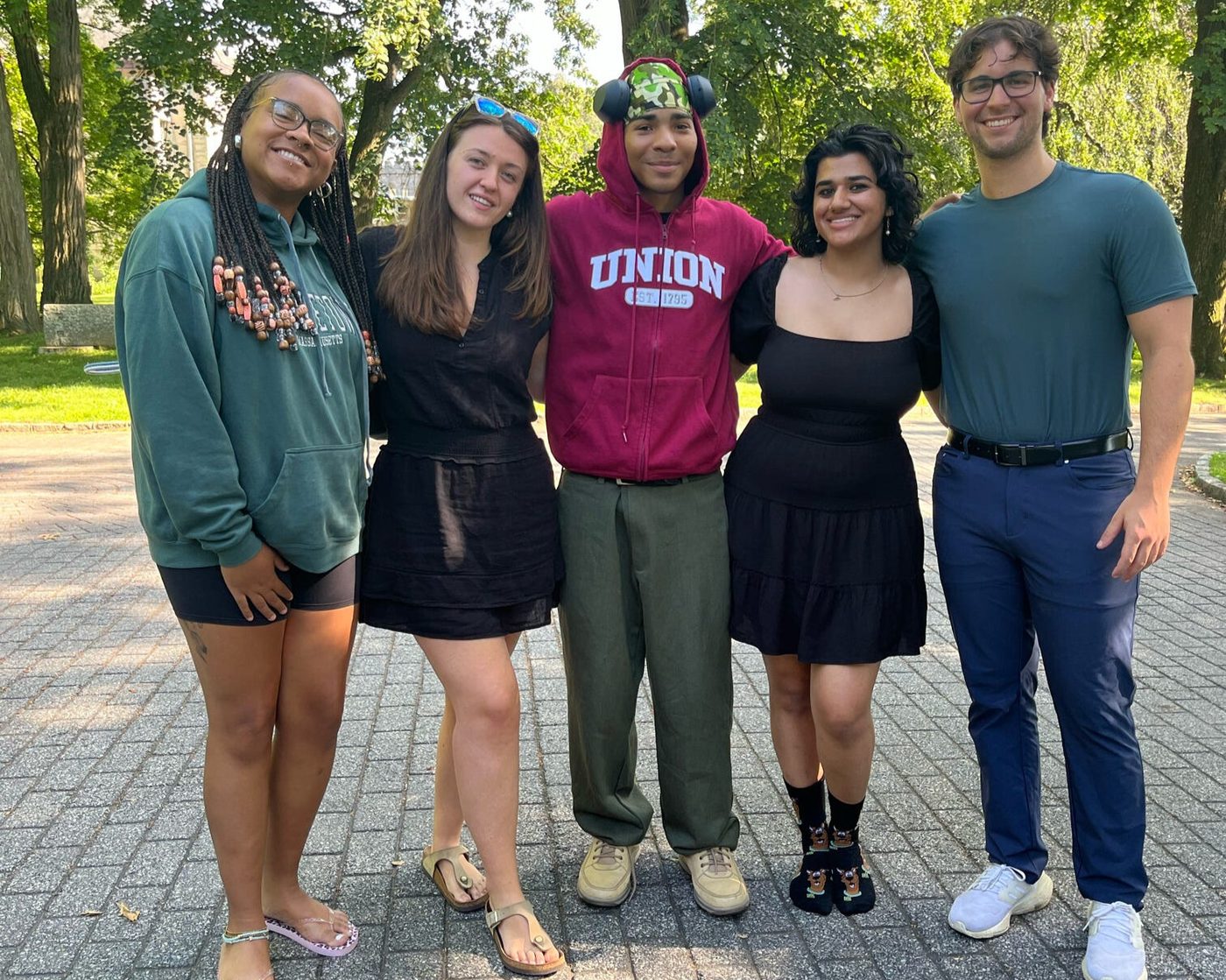
Five SafeBAE student leaders standing together outdoors

This training is offered in memory of our co-founder, Daisy Coleman, whose vision and leadership continue to inspire SafeBAE's mission and youth nationwide. #ForDaisy

How It Works

Becoming a Certified Peer Educator is simple, flexible, and fully supported. Students can register and complete the training entirely for free and at their own pace.

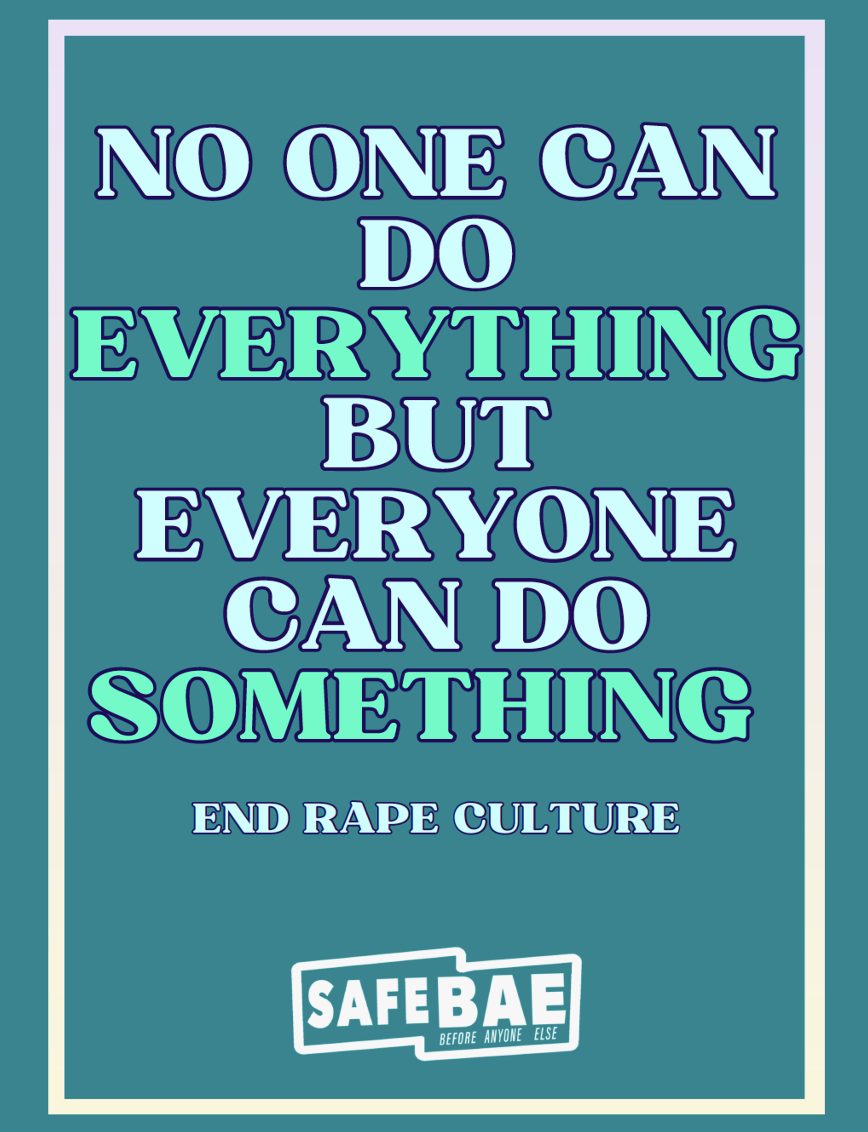
SafeBAE poster reading: No one can do everything but everyone can do something — end rape culture
  1. Complete the Registration Form

    Fill out a short interest form to get started. We'll send you everything you need to begin the training.

  2. Create Your Training Portal Account

    Set up your secure account on Podia to unlock all 16 modules and additional resources.

  3. Complete 16 Modules

    Learn about consent, healthy relationships, digital safety, and more across 16 interactive modules, completed at your own pace.

  4. Complete Post-Survey

    Share feedback and reflect on what you've learned. Your responses help us improve the training and better support future Peer Educators.

  5. Earn Your Certificate

    After completing all 16 modules and the post-training survey, you'll receive your official SafeBAE Certified Peer Educator certificate.

  6. Start Leading

    Put your skills into action by leading presentations, organizing campaigns, or starting a SafeBAE Club. You can also meet with the SafeBAE team to explore next steps.

Why Peer Education Matters

Prevention only works when it feels real, and for most students, that means hearing it from someone they trust. Peer education brings authenticity, relatability, and lived experience into the conversation.

When youth lead, their peers listen differently. They ask more honest questions. They take ownership. They change behavior not because they were told to, but because they saw someone like them modeling something better.

Learn more about the impact of youth-led prevention

A SafeBAE chapter gathered in a school hallway

"As I went on in the training, I felt like I could be a more helpful and supportive person and that I would know what to do if something happened to me or anyone I know. I feel confident that I can help people in all sorts of situations and I am more educated on the effects of rape culture."

— SafeBAE Certified Peer Educator

Training Modules Include

  1. Rape Culture & Creating a Culture of Respect
  2. Sexual Harassment, Assault, & Rape Defined
  3. Consent is BAE (Before Anything Else)
  4. Healthy Relationships & Boundaries
  5. Male Identified Youth & Sexual Violence
  6. Myths, Facts & Statistics
  7. Sexual Violence & Relationships in Media
  8. Online Safety & Sending Nudes
  9. How to Support A Survivor
  10. Reporting Options & Investigation Requirements
  11. Your Rights in School (Title IX & Beyond)
  12. Healing After Sexual Assault
  13. Dating After Experiencing Sexual Violence
  14. Bystander Intervention (The BAEcode)
  15. How to Respond If You've Been Accused
  16. Public Speaking & Leading as a Peer Educator